
Spill Prevention in Guest Spaces

,

Spill Prevention in Guest Spaces

For hotels, senior living communities, and busy venues, a small puddle in or around a restroom is never just a housekeeping issue. It is a safety hazard, a potential liability, and a visible sign that the environment may not be as hygienic or well managed as guests expect. In high-traffic wet areas, proactive spill prevention is one of the most effective ways to protect people, your brand, and your bottom line.

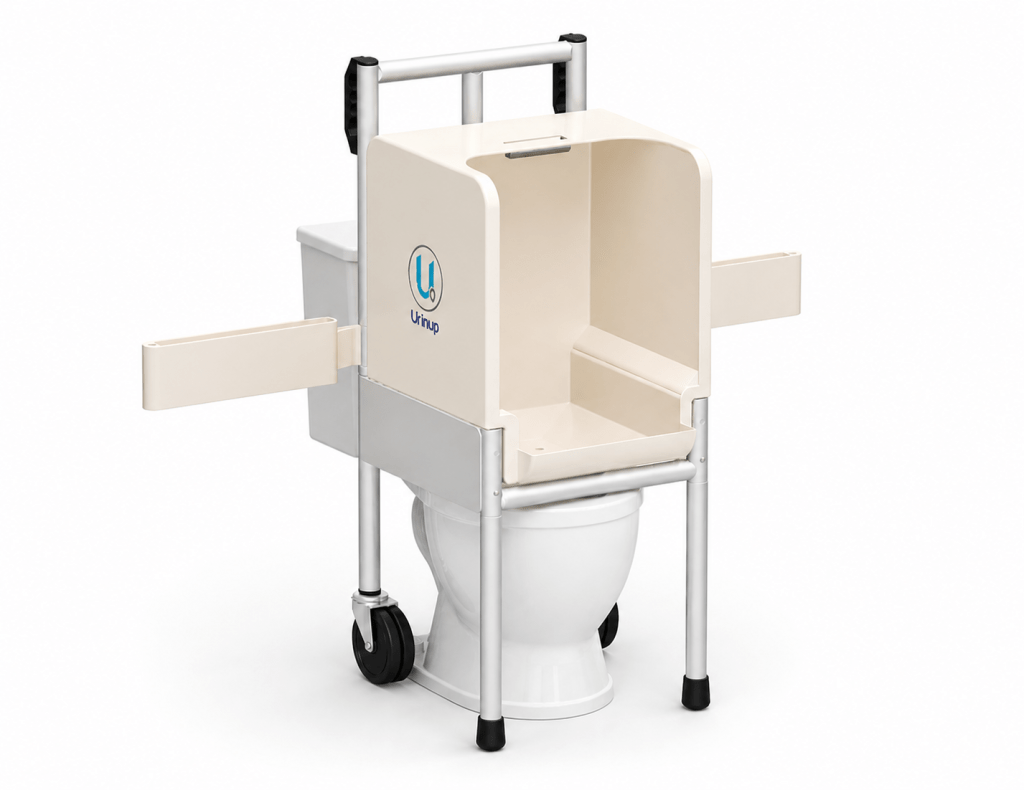
At CapaciFlow™, we provide portable, hygienic, water-saving sanitation units — available in three dual-mode editions that can operate either connected to existing infrastructure or in fully portable, off-grid mode. These units can be deployed directly in guest spaces to reduce spills at the source. This guide outlines why spills matter, what causes them, and a practical framework you can use to design, operate, and maintain safer guest spaces.

Why Spills in Guest Restrooms Are a Serious Risk

Spills in and around restrooms, changing rooms, and other wet areas affect much more than appearance. They touch every dimension of your operation, from safety and risk management to infection control and guest satisfaction.

  • Slip-and-fall incidents: Wet or slick floors are among the most common causes of guest and staff injuries. Even a small amount of water tracked across tile can lead to serious falls, especially for older adults or people with mobility challenges.
  • Liability and insurance exposure: When an incident occurs, you must be able to demonstrate that you took reasonable steps to prevent accidents. Documented spill prevention measures and equipment choices can significantly reduce legal and insurance risk.
  • Poor guest and resident experience: Standing water, drips, and splashes create a perception of neglect. Guests may question your overall cleanliness and attention to detail, which directly impacts online reviews, referrals, and long-term loyalty.
  • Infection control challenges: Moisture can act as a vehicle for pathogens, especially when mixed with biological waste around toilets, urinals, or changing areas. Uncontrolled splashing and pooling complicate cleaning and disinfecting, undermining infection prevention and control (IPC) programs.

Common Causes of Spills in Guest Spaces

Most spills are predictable and preventable. Understanding why they occur makes it easier to design effective controls.

  • Leaky or poorly maintained fixtures: Aging flush valves, cracked seals, and loose connections can cause slow, continuous leaks that go unnoticed until they create visible puddles or hidden subfloor damage.
  • Overflows and clogs: Toilets and urinals can overflow due to blockages, inappropriate items being flushed, or undersized piping. Sinks can overflow when drains are slow or when guests leave taps running.
  • Inefficient or high-splash fixtures: High-flow flushes, poorly designed bowls, and misaligned spray patterns can cause excessive splashing, contributing to droplets on floors and nearby surfaces.
  • Poor layout and fixture placement: Long distances between fixtures and drains, narrow circulation paths, and doors that open directly onto high-traffic corridors all increase the chance that water will be tracked into public areas.
  • Flooring and drainage limitations: Slippery tiles, minimal slope, and insufficient drainage mean that even small amounts of water linger longer and spread further.
  • Cleaning practices: Mopping with too much water, failing to dry floors, or cleaning during peak traffic can temporarily increase risk. Inconsistent spill response protocols also lead to uneven performance.
  • Traffic patterns and user behavior: High volumes of guests at intermission, conference breaks, or shift changes put pressure on fixtures and housekeeping. Spills can also result from hurried guests, children, or individuals with limited mobility.

A Practical Framework for Spill Prevention

Effective spill prevention is not about a single product or policy. It is a system that combines smart design, the right fixtures, and disciplined operations. The following framework can help you structure your approach.

1. Design Restrooms and Wet Areas for Containment and Flow

  • Separate wet and dry zones: Place sinks, showers, or other water-intensive fixtures away from main circulation paths. Use partitions, thresholds, and matting to keep water contained.
  • Plan logical traffic flows: Design entrances, exits, and internal circulation so that guests do not cross wet zones unnecessarily. One-way flows can reduce congestion at peak times.
  • Allow space for mobility devices: In senior living and accessible restrooms, ensure sufficient turning and passing space so that wheelchairs, walkers, and scooters do not knock into fixtures and splash guards.
  • Consider proximity to high-visibility areas: Avoid layouts where restroom doors open directly into lobbies or dining rooms, where a small spill can quickly become a visible issue.

2. Choose Fixtures That Minimize Splashing and Overuse

The fixtures you select have a direct impact on how much water reaches the floor. Modern, water-saving options often provide better control and hygiene while reducing spill risk.

  • Low- or no-water fixtures: Consider waterless or ultra-low-flow urinals and high-efficiency toilets that are engineered to reduce splashing and misdirected spray.
  • Sensor-activated taps and flushes: Touchless fixtures can prevent taps from being left running and help standardize the amount of water used per activation.
  • Deep, ergonomic basins: Choose sink and basin designs that capture water effectively, even with high flow, and that direct splashes away from users and floors.
  • Integrated splash guards: Use partitions, screens, or built-in guards around high-splash areas to contain droplets.
  • Accessible, intuitive controls: Lever or sensor controls that are easy to operate for people with limited strength or dexterity reduce accidental overuse or misalignment of taps and showers.

CapaciFlow’s portable, dual-mode sanitation units are designed to lower water use while minimizing splash at the point of use, helping you control both operating costs and spill risks when they are deployed within your existing guest spaces and built restrooms.

3. Optimize Floors, Finishes, and Drainage

  • Use slip-resistant flooring: Select finishes with appropriate slip resistance ratings for wet environments, especially in areas serving older adults or children.
  • Design in adequate slope: Ensure floors slope gently toward drains so that water moves away from traffic paths and does not pool at thresholds or under fixtures.
  • Provide sufficient drains: In larger restrooms or changing rooms, consider multiple drains so that spills are captured quickly and do not spread broadly.
  • Protect transitions: Use thresholds, mats, or graded transitions where wet areas meet carpets or polished surfaces, which can become slippery when damp.
  • Maintain grout and sealants: Cracked or missing grout and sealant can lead to hidden moisture, subfloor damage, and long-term hazards.

4. Establish Monitoring and Maintenance Routines

Even the best design needs consistent oversight. Regular monitoring and preventive maintenance help you catch minor issues before they become major incidents.

  • Set inspection intervals: For high-traffic restrooms, schedule checks at predictable times (e.g., before and after intermissions, meal periods, or visiting hours).
  • Standardize inspection checklists: Have staff look specifically for wet floors, drips under fixtures, slow drains, and loose fittings, and document each round.
  • Prioritize preventive maintenance: Replace worn seals, valves, and cartridges on a schedule rather than waiting for visible leaks.
  • Stock spill-response supplies: Keep absorbent materials, signage, and spot-cleaning tools readily available and easy to access.
  • Track incident data: Record where and when spills occur to identify recurring patterns and address root causes.

5. Train Staff and Clarify Roles

Spill prevention is a team effort that involves housekeeping, maintenance, front-of-house staff, and, in clinical environments, infection control specialists. Everyone should know what to look for and how to respond.

  • Define responsibilities: Clarify who is responsible for routine checks, immediate spill response, and escalation to maintenance.
  • Teach hazard recognition: Train staff to recognize early signs of risk, such as persistent dampness around a particular fixture or frequent clogs.
  • Practice response protocols: Provide simple, step-by-step procedures for cordoning off an area, cleaning the spill, and documenting the event.
  • Include infection control guidance: In senior living and healthcare-adjacent settings, align spill response with IPC protocols, appropriate PPE, and disinfectant use.
  • Reinforce through refreshers: Incorporate spill prevention topics into regular safety meetings and onboarding.

6. Communicate with Guests and Residents

Thoughtful communication encourages guests to partner with you in keeping spaces safe, without creating alarm or discomfort.

  • Use clear, friendly signage: Place signs that remind guests to report spills and avoid leaving taps running, using positive and inclusive language.
  • Provide visible contact channels: Make it easy for guests to alert staff via room phones, QR codes, or app-based messaging.
  • Reassure through transparency: In senior living and healthcare-related environments, communicate that you follow structured cleaning, inspection, and infection control protocols.
  • Design for intuitive use: Ensure fixture controls, flush mechanisms, and door hardware are self-explanatory to reduce accidental misuse.

Checklist: Auditing Your Restrooms and Wet Areas

Use this quick checklist to evaluate your current spaces. For each item, mark “Yes”, “No”, or “Needs Improvement” and note priority actions.

  • Layout and Design
    • Wet and dry zones are clearly separated.
    • Traffic flows minimize crossing wet areas.
    • There is sufficient space for mobility devices where needed.
    • Restroom entrances do not open directly into high-visibility areas.
  • Fixtures and Fittings
    • Toilets, urinals, and taps are modern, efficient, and low-splash.
    • Sensor or easy-to-use controls prevent taps being left on.
    • There are no visible drips, leaks, or constant running water.
    • Fixtures are appropriate for the population (e.g., older adults, children).
  • Floors and Drainage
    • Flooring is slip-resistant and in good repair.
    • Floors slope toward drains without creating trip hazards.
    • Drains are sufficient in number and kept clear.
    • Transitions between wet and dry areas are protected and clearly defined.
  • Monitoring and Maintenance
    • Regular restroom inspections are scheduled and documented.
    • Preventive maintenance schedules are in place for key fixtures.
    • Spill-response supplies and signage are readily available.
    • Incidents and near-misses are recorded and reviewed.
  • Staff and Guests
    • Staff are trained in spill prevention, recognition, and response.
    • Roles and responsibilities are clearly defined across teams.
    • Guest-facing signage encourages reporting of spills in a positive way.
    • Guests have simple, visible ways to alert staff to issues.

Partner with CapaciFlow™ to Reduce Spills and Improve Safety

Spill prevention in guest spaces is both a safety imperative and a brand opportunity. By combining thoughtful built-environment design, smart fixture choices, and consistent operational practices with portable sanitation options, you can create restrooms and wet areas that are safer, more hygienic, and more sustainable.

CapaciFlow’s innovative, portable, water-saving sanitation units — offered in three dual-mode editions — are engineered to reduce splashing, control leaks, and support better hygiene across hotels, senior living communities, theaters, convention centers, and other high-traffic venues. Our team can help you assess how these portable units can be deployed within your existing restrooms and guest spaces to address risk points without requiring permanent construction or new fixed fixtures.

Leave a comment